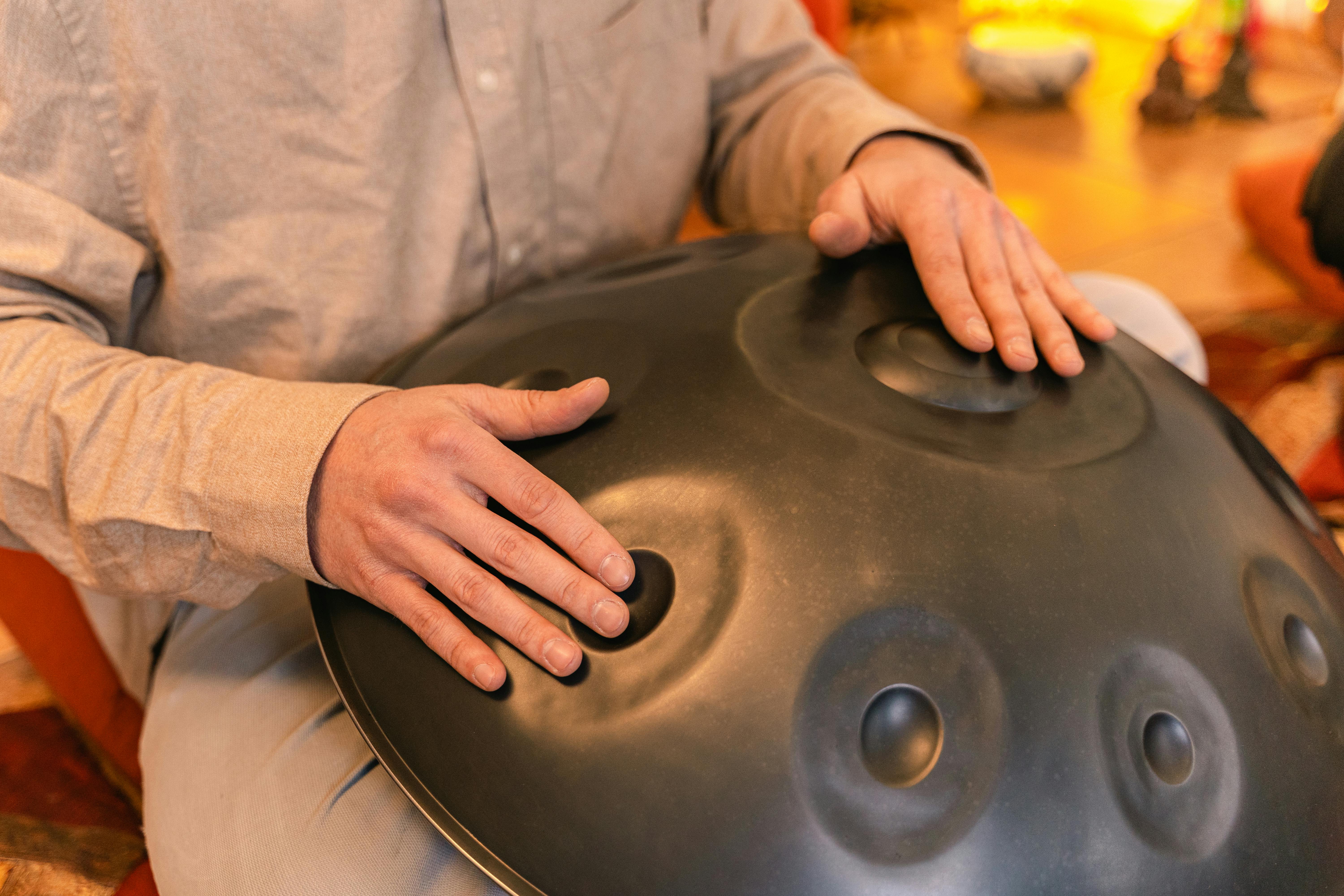

Discover how steelpan beat colonialism as a symbol of freedom.
Born from the resourcefulness of marginalized communities in Trinidad and Tobago during the 1930s, the steelpan was crafted from discarded oil drums and biscuit tins. It stands as the only acoustic instrument invented in the 20th century, emerging as a tool of cultural expression against colonial oppression and restrictions on traditional drumming. Once dismissed as crude by authorities, the steelpan evolved into a symbol of defiance, resilience, and artistry for those who turned adversity into innovation.
The Historical Roots of Musical Rebellion
From 1526 to 1867, over 10 million Africans were enslaved across the Americas, including Trinidad, where British colonial rule perpetuated slavery to sustain sugar plantations. Enslaved Africans resisted subjugation in various forms, including preserving cultural and spiritual practices. Freed African-American soldiers known as the Merikins, who had fought for Britain in the War of 1812, settled in southern Trinidad. They introduced a syncretic religion blending Yoruba and Protestant Baptist traditions, embodying resistance and resilience.
A rhythmic tradition called Tamboo Bamboo emerged in the late 1800s as part of the cultural fight for freedom. Bamboo instruments like the bass, foule, and cutter were used to create melodic percussion, accompanied by songs in Creole and African languages known as lavways. This practice laid a foundation for the steelpan’s rhythmic identity while preserving ancestral heritage.
Gangs and Stereotypes
During its formative years, the steelpan was stigmatized due to its association with street gangs. Rival steelbands clashed over territorial disputes, fueling negative stereotypes about the instrument and its players. Despite this, the steelpan became a creative outlet for marginalized youth, offering a sense of identity and expression in a world that sought to silence them.
Eventually, local police intervened and forced rival gangs to stop fighting and strike a truce. The gangs proposed they continue their rivalry in a healthy way by engaging in musical warfare with steelpan competitions. This led to various competitions over the years, from the Mas Band bomb tunes to Panorama, Pan is Beautiful and other events.
Innovators such as Ellie Mannette, Ray Holman, Len “Boogsie” Sharpe and Beverly Griffith elevated the instrument, transforming it into a symbol of peace and artistry.
Panorama and Unity
The introduction of Panorama in 1963 marked a new chapter for the steelpan. This annual competition allowed rival bands to compete in a friendly way while establishing a deeper foothold in both T&T and Caribbean culture. This event led to the creation of other similar events throughout the Caribbean and abroad in places like the United States, the United Kingdom, France and Japan.
Steelbands showcased their talents and collaborated, replacing violence with pride and community spirit. Panorama elevated the steelpan’s cultural status, demonstrating its ability to inspire creative excellence and mutual respect.
Steelpan’s Influence in Global Music
The steelpan has transcended its Caribbean origins, making its mark on global music. Featured in genres such as reggae, hip hop, rock, Soca, and even country music, the instrument’s distinctive sound has captivated audiences worldwide. Artists like The Beatles, Jimmy Buffett, David Rudder, and Kodak Black have incorporated steelpan into their music, showcasing its versatility and bridging cultural divides.
In addition to mainstream music, contemporary steelpan performers such as Victor Provost, Jonathan Scales, and Joy Lapps-Lewis have highlighted the instrument’s technical and artistic potential. Steelpan festivals, including competitive events in London, Miami, and Toronto, as well as workshops in countries like the United States, Japan and Sweden, celebrate its growing global presence.
Modern Recognition and Social Impact
Today, the steelpan is celebrated as a cultural icon and a unifying force. Beyond its musical contributions, projects like Peace Drums for Israel demonstrate its power to bring together communities divided by conflict. This initiative uses steelpan music to foster dialogue between Israeli and Palestinian youth, underscoring its ability to promote harmony even in challenging circumstances.
At its core, the steelpan represents resistance against oppression. Its journey—from a discarded oil drum to a global icon—embodies the power of marginalized communities to reclaim their voices and assert their identity. Whether at Panorama, in popular music, or in peace-building projects, the steelpan continues to inspire unity and creativity. Its timeless melodies remind us that beauty and strength can emerge even in the face of adversity, making it a beacon of hope and transformation.
Learn more about steelpan history HERE.