The story of the first original composition for Panorama is detailed and passionate exploration of one of the most important moments in steelpan history.
Dr. Ray Holman is one of the most respected and cherished members of the global steelpan community, having contributed countless ideas and music to the artform. But one of his most important contributions was known largely in the pan world only through word-of-mouth — until now.
In the documentary, “The Journey and Impact of Pan On The Move: A Tribute to Dr. Ray Holman”, filmmaker and noted songwriter Mark Loquan sits down with Holman, along with other notables in the pan community, to get his first-hand account of how the first original composition for Panorama came to be. Before 1972, all Panorama arrangements were derived from famous calypso tunes written by singers like Lord Kitchener and Mighty Sparrow. Then, due to a combination of impatience with the current system and a need for his own voice to be heard, Holman and his fellow bandmates agreed that the time had come to write something original.
Sitting at his kitchen table, surrounded by friends from the pan world, Holman holds court in a way only someone of so much character, wisdom and knowledge could about one of the great moments in pan history. Aside from the fact that this moment had not yet been captured in such detail until now, it’s the candor and emotion of the story that are particularly endearing to see in this film. What makes it even more powerful is the inclusion of others onscreen telling their side of the story. One such person is writer/composer Alvin Daniell, who explained how the initial song was rejected by Pantrinbago (then known as the Pan Men’s Association) because it had no lyrics. Daniell would be the first to sing the song for the sole purpose of getting it approved by the governing body of pan for use in competition.
At just 47 minutes in length, the film moves briskly through the story, using a mixture of on-screen interviews and off-screen voice-over interviews. Aside from the story itself, these interviews helped to provide the context needed to convey the emotional backbone of the time and what made the story so important for pan and its future. It also highlights the importance of Holman’s contribution in helping to create inspire other musical juggernauts like Dr. Len “Boogsie” Sharpe, Ken “Professor” Philmore and Clive Bradley to compose and arrange their own tunes for Panorama as well. Some clips of those classic tunes are included in the film, included “‘Dis Feelin’ Nice” by Sharpe, “Party Tonight” by Bradley and “Pan by Storm” by Philmore, including some short backstory on how that latter piece came to be.
The film concludes with a performance of Pan On the Move by Dr. Holman, Dr. Len “Boogsie” Sharpe and Mark Loquan in Holman’s living room. Overall, the film is able to capture your attention with its fire-side-chat style format, detailed historical context and the editing style, which makes you feel welcome and at home with these important figures. If you’re looking to gain insight into the pan world and learn a bit about what makes it so special, be sure to give this a watch.
Watch the film on YouTube for free below:
"Pan On The Move"(1972), Its Journey And Impact - A 50th Anniversary Tribute to Dr. Ray Holman.
Towards the back of any steelband is a section that’s often relegated to the status of drums and percussion, or a rhythm section, to the uninitiated. However, that section has a more critical purpose and a more appropriate name than you might know: the engine room. The engine room is a vital element of the band that deserves immense attention and appreciation.
It is comprised of an assortment of percussive instruments that serve the crucial purpose to both maintain tempo but also drive the band forward through challenging pieces, like Panorama arrangements. Similar to the engine of a car, it is integral to the performance of the entire steelband. Often, those who want to be a part of the steelband and are able to keep a beat are welcomed into the engine room. For example, Billy Ocean, an R&B artist with hits such as Loverboy, Suddenly and Caribbean Queen, plays iron in the engine room of the Ebony Steel Orchestra, based out of London. There are many instruments that are essential to the engine room, all playing unique roles.
Drum Set
The drum set, also known as the drum kit, typically consists of a snare drum, a bass drum, and three toms. It may include several cymbals such as the ride cymbal, the crash cymbal, and the hi-hat. The drum set helps keep the beat, highlights the punches on the snare drum, toms, and cymbals, and drives into the next section of music using drum fills.
Brake Drum / Iron
The brake drum, also called the iron, is a hollow cast-iron circular instrument. As one can conclude from its name, the brake drum is a component taken from the brake mechanisms in an automobile. It drives the tempo of the entire band and is arguably the most important instrument in the steelband. There are multiple different patterns that the iron can play. One of these patterns involves a sixteenth note pattern with accents on every other note. The left hand often stays on the bell, where the pitch is the highest. The patterns can range depending on the style of the arranger/composer and how many iron players are in the band.
Scratcher / Shaker
The scratcher and shaker are both instruments within the steelband. The scratcher, a descendent of the guiro, is a metal instrument that is played with a comb-like stick. It is circular and made of many holes punched into an aluminum sheet. The shaker is comprised of a container with loose objects on the inside or outside. It can range in size and style. These objects strike against the container and each other to create sound. The scratcher and shaker play syncopated rhythms within the engine room of a steelband.
Conga
The conga is a barrel-shaped single-headed drum. In a steelband, the conga is either played by hand or with cloth or rubber-tipped mallets. Usually, multiple congas are played, tuned to different pitches. The congas play similar patterns to the rest of the engine room and are played just loud enough to be heard.
Cow Bell / Jam Block
The cowbell is a handheld percussion instrument used in many different types of music. It is either made of metal or synthetic material and is generally struck with a wooden drumstick. A single cowbell can only play one note, however, different cowbells can be tuned to different notes. A jam block is a plastic version of a woodblock. The jam block also can come in different sizes and pitches. If a steelband is large, it may use both a cowbell and a jam block. Both instruments can serve many different purposes, such as making certain melody notes stand out and helping the band keep time. While the cowbell sometimes is played on the downbeat, the jam block is often played on upbeats to offer a higher pitch to counter the cowbell.
Additional Engine Room Instruments
Steelbands integrate other notable instruments as well, depending on the style of the arranger or composer. The bottle and spoon is an instrument that dates back to tamboo bamboo bands, musical groups in Trinidad and Tobago that existed before steelpan was invented. Gin bottles were most often used, producing various pitches by adjusting the water level inside the bottle. Different pitched bottles would play different rhythms that fit together to create a polyrhythmic texture.Many steelbands also include a variety of African Drums such as the Djembe.
Phase II Engine Room 2016
The engine room at work during a rehearsal with Phase II Pan Groove during the 2016 Panorama season.
Read our other articles from the Basics of Steelpan Series below:
To be considered jazz, a song has plenty of places to go. It can have an R&B groove, only two chords and a simple melody and still fit the bill. By comparison, some tunes have lots of changes, multiple styles and a bunch of improvisers, but may not be considered jazz. Luckily, most of the tunes on our list are easy enough to define as being part of one of the subgenres of jazz, such as Afro-Cuban, Fusion, Bebop Jazz Funk and even Calypso.
We’ll let you be the judge if we got it right. Here are our 10 picks, in no particular order, for the best pan jazz tracks you need to hear right now.
This hard-hitting groove starts out strong and mellows into a steady pace with a frantic melody on top. If you’ve never heard of LFT, this is a good place to start. Thomas is one of the most bombastic, powerful virtuoso pannists on the scene today, who has the ability to show off his knowledge of chord structure and music theory while maintaining his own style and a penchant for playing fast and loud. The sax solo on this track is also worth hearing.
Having built a reputation as a bebop player, Provost shows off his expertise in the genre with a blend of styles, from classic bop to his dazzling speed and pure command of his low G tenor pan, which adds its own flavor. During the solo section, he takes the listener through his ideas slow at first, then picks up steam quickly, dancing around the chords and finding a voice of his own quickly. The rest of the album, Bright Eyes, is also worth a listen thanks to a rich blend of genres that Provost and his band take to a whole new level.
Sung by R&B legend, Bill Withers, this Grover Washington, Jr. classic features one of the best steelpan solos ever recorded. Legendary pannist, Robert Greenidge, flexes his skills here by placing notes with melodic phrasing and lively rhythmic patterns while expertly traversing the chord progression. As the song picks up intensity, Greenidge matches it in cleverness and speed. It’s a masterclass in how to seize your moment in a short time span.
While there are many compositions from the master of Caribbean jazz, this one is a perfect representation of his style and performance capabilities. With an elegant and classy presentation, featuring a 90s smooth jazz instrumentation and recording style, this piece was featured in the movie, The Firm during a bar scene set in the Bahamas. It’s fitting since the song makes you feel like you’re at a cocktail party in the Caribbean. It’s elevated by the stylistic and tasteful playing of Narell, who’s delicate touch leaves you feeling both relaxed and intrigued at once.
This intriguing composition highlights the many genres that inspired it, with Lapps-Lewis citing her love of Afro- and Latin-Caribbean jazz, with a little funk mixed in. Lapps-Lewis’ work in steelpan is reflected well in this piece, not just for what you hear, but the work she put in to craft her own style, having studied in Paris with Calypsociation and separately in St. Lucia with Andy Narell. These influences and more are reflected in this tune, along with the influence of her famed drummer husband, Larnell Lewis of Snarky Puppy.
The debut solo album of award-winning pannist, composer and arranger, Andre White, is filled with powerful arrangements, but perhaps the best is the opening track, Liberation. This song, and the album, feature a full steel orchestra, brilliantly executing a complex arrangement, complete with a horn section and vocals. White proves why he’s one of the biggest names in the game with a beautiful melodic structure that manages to highlight tenors and vocals at once, while leaving room for supporting lines from double seconds and horns. His solo manages to be beautiful, haunting and dazzling all at once.
Perhaps the best start to finish pan jazz record ever made, this album features several tunes worthy of this list, but we went with Hydra due to its unique rhythmic riff, stylish melody and killer solo section. The late Professor Philmore really outdid himself with this Grover Washington, Jr. cover, which features perfectly understated drumset playing to set the groove, syncopated rhythms in the seconds and guitar pans, and some fun licks played by the tenors and double tenors throughout.
One of the great instrumentalists and arrangers in pan is also perhaps its most unsung hero. He has a chance to shine in this jazzified arrangement of the Lord Kitchener classic, while managing to showcase the talent of his quartet, along with his own improvisational prowess.
It’s hard not to be impressed by this brilliantly composed and executed piece of jazz-fusion greatness pulled off by none other than the master of odd-metered, film score-inspired insanity (in a good way). Accompanied by the legend himself, the famed banjo maestro Bela Fleck, and a stellar lineup of seasoned musicians, Scales’ writing shines with a roller coaster of changes, unison moments and time signatures that’ll make your head spin as you groove the minutes away.
One of the true legends and innovators of pan jazz shows off his skills in this tune, made famous by his long-time friend and collaborator, the late Jaco Pastorius, who many consider to be the greatest bass player of all time. The tune features one of the trickiest opening riffs on this list, and a fat groove to follow. You’ll have this one stuck in your head for a while, but good luck if you plan to cover it yourself on a gig. It might take some practice.
Honorable Mentions:
Awe – Akinola Senno
Abiku – Zane Rodulfo
Blanchisseuse – Patrick Fitzgibbon
Killer Joe – Kareem Thompson
Introvurrito – Lord Shambleton
Check out our playlist below for many of these tracks and more:
Jamani Duo Integrates and Expands On The Musical Prowess of Pan
It’s that rainy, misty, Sunday morning on the porch of the B&B at the ocean. And despite the percussive basis of their percolating sounds, the music of Jamani Duo makes me feel serene. Of course, the soothing sounds of their steelpans contribute to that ambiance. But here, on their debut album Timeline, it’s served in a totally non-traditional cocktail of classical and southern hemispheric rhythms.
Timeline album cover.
The music is refreshing, the same way Andy Narell integrated pan into the smooth jazz scene. But idiomatically more Euro, as evidenced in Allegro, which might suggest a more classically trained leaning by these two Canadian percussionists, Matt and Jodi Groenheide. Creativity here is prescribed but pleasantly and professionally orchestrated.
Initially I thought I heard some Jonathan Scales in their expression of Andy Akiho’s Momo-Iro. But I later attributed that to the high level of execution on the part of these skilled pan-percussionists. A similar level of detail and nuance is achieved with Allegro, a classical piece by famed Italian composer Joseph-Hector Fiocco. The addition of a drum beat on the cajón gives the piece a modern, whimsical feel.
Inside the Timeline CD cover.
Another notable piece is the duo’s execution of Robert Chappell’s Open Window. It delivers a beautifully haunting and rich soundscape, allowing marimba and steelpan to work together seamlessly. The intricate and challenging piece is expertly executed with the dynamics highlighted perfectly throughout.
Timeline is innovative, no doubt; and maybe trailblazing. The album features a fascinating combination of instruments, including: steel pan with cajón; flute with marimba; toms with bongos, claves and conch shell. It suggests Jamani Duo is on a path, though still searching for what is uniquely theirs. And they are not afraid to try different ideas until they get there.
Timeline back cover.
In all, the project is a pleasant excursion, a positive thrust in the direction of a goal still to be defined, or refined. It grabs you subtly and grows on you the more you listen.
The album is produced by world-renowned steel pannist Tracy Thornton (Pan Rocks), engineered by Benjy Johnson (Cory Wong, Charlie Hunter), and mastered by Peter Letros (Our Lady Peace, Beyoncé). Timeline is available for streaming on all major streaming platforms and for purchase here.
"Aka (Red)" by Andy Akiho | jamani duo (Timeline album)
The performance workshop offers students a chance to work up close with their heroes and expand their percussion horizons beyond just pan.
The Percussion and Steel Band Session is a two-week residential music academy for ages 13-19 at the Birch Creek Music Performance Center. Thousands of students have attended the camp since its opening in 1976.
The Birch Creek Music Performance Center.
Located in idyllic Door County, Wisconsin, the tranquil atmosphere provides a haven from outside stresses. The environment inspires students to focus on improving their percussion skills with the added benefit of creating bonds with other students as well as the camp’s amazing faculty. Areas of study for the camp went beyond the steel band to include concert percussion, percussion ensemble, drum set, world percussion and composition for percussion.
The Birch Creek Percussion Center is led by Prof. Dan Moore. 2021 marks his 23rd year as a Birch Creek faculty member and has served as Director of the Percussion & Steel Band Program since 2016. Dr. Moore is Professor of Percussion and Director of the award-winning percussion program at The University of Iowa where he recently received the Iowa Regents Award for Faculty Excellence.
Top-Tier Guidance
The steelband performs a concert.
The student faculty ratio is two to one, allowing all students to have one-on-one time with top-tier, passionate musicians. The rustic performance center is uniquely unconventional yet beautiful as concerts are held in a barn surrounded by picturesque farmland.
One of the most amazing features of the Birch Creek workshop is its faculty of nationally-recognized artists and educators. The steelband program is led by Liam Teague and Scott McConnell. Well known as an innovator of the steelpan, Teague is Professor of Music and Head of Steelpan Studies at Northern Illinois University (NIU), where he also directs the renowned NIU Steelband. McConnell is a steelpan/percussion performer and educator in the Chicagoland area who holds Bachelors, Masters, and Performers’ Certificates in Percussion, Steelpan and Recording Arts from Northern Illinois University. The two guide students through challenging pieces, many of which are their own compositions or arrangements.
The students rehearse Brazilian samba.
“Liam and Scott are amazing mentors and they make the learning process a lot of fun,” 2021 student Keira McNamara said. The commitment is evidenced by the fact that 2021 marked Liam Teague’s 26th year teaching at the camp. He calls Birch Creek a “magical place” and is passionate about passing along his love for the steelpan to new students.
Growing Up
“I love seeing the students grow. Most students who come to Birch Creek have never played the pan before and when we tell them that within three to four days they are going to be playing a concert on the steelpan, people are in shock,” Teague explained. “But every year it happens and it’s a testament to the students who come here, their hard work and their vision.”
The percussion ensemble and steelband perform a concert.
Concerts draw Door County tourists as well as locals thus creating new aficionados for the pleasing tunes of steelpan. Many audience members have their eyes opened to the instrument they previously may have associated strictly with certain genres. “A lot of people may have heard about the so-called steel drum, but many do not know how versatile it is,” Teague added. Faculty, alongside Birch Creek students, play a wide range of songs every year in order to showcase the steelpan’s ability to excel in every genre, ranging from traditional soca music to rock and pop.
Registration for the 2022 Birch Creek workshop begins in December of 2021. It will take place from June 19 to July 2, 2022. If you know a student who would honor the opportunity to work alongside amazing professionals and learn about steelpan from the top-notch educators, be sure to pass it along.
The summer gig season offers up an opportunity to make the bulk of your annual gig money. That’s even true in a post-pandemic world since people are eager to get back to living and enjoying life with parties and events.
To help you prepare, here are five ways you can generate more steelpan gigs.
1. Advertising
Paying out for advertising might not always be easy, but if done using the right tool in the right market, it can be very effective. One great tool is Google Adwords, which lets you pay to have your ads placed on Google whenever someone searches keywords that match what you offer. For instance, you might create an ad that says you offer steelpan entertainment for backyard parties and someone searches for exactly that, you would likely come up in search and appear at the top of the page.
You can also try Google Display Ads, which don’t appear in search. Instead, they display your ad in a box on various websites on the internet that are running these ads to generate revenue.
Social media also offers some great options with sites like Yelp, Facebook, Instagram and Twitter to let you connect with potential clients. Each offers different pricing options and lets you customize based on location, demographic and other key metrics. These can be mostly trial and error, but with a little effort, can be quite effective.
You can also go old school and take out a billboard or advertisement in a local publication, but those tend to be pricey and have less guarantees to reaching your target audience. But who knows? They might be worth a shot if you know your region.
Mailers are also great if you have the budget, since they tend to be at least $1,000 for a decent reach. The US Postal Service offers this service, along with plenty of other companies online via a quick search. Since most people are getting tons of emails to their inboxes, this might be a great way to cut through the noise.
2. Online Booking Agents
There are several sites that offer you the chance to make money with a little effort. The Bash (formerly Gig Masters) and Gig Salad are two of the most prominent, which let you build your own profile page and place you in a category of your choice to be offered up to potential clients who search for performers in that category. Once they select you (along with other performers), they send you an event to bid on. Based on the details they provide, you provide them with your rate, performance package and any special requests (like shade, power, etc.).
Some offer a free option, but to be most effective, we recommend doing the paid option, so long as you are on there often, update your profile with the best photos and videos you have and are on top of all the offers to ensure you don’t miss any opportunities. Chances are, you’ll make your money back in no time.
3. Connect with Local Performers
Networking with other local musicians, like fellow pannists, can be a great way to land gigs, especially during a busy season when some might be overflowing with gigs. Performers are usually in need of more players, even if it’s not for pan. Being versatile and diverse with your performance offerings is a great way to get more work. So be sure to practice your hand percussion, drum kit, or even other instruments to increase your chances of getting more gigs from fellow players.
Aside from musicians, connecting with other vendors like caterers, dancers and magicians can help you land work since they often get asked about other vendors. Be sure to get those business cards on your next gig and you might end up with some great contacts.
4. Public Performances
Simply getting in front of people can be a way to drum up business (pun intended). There are many ways to do this. One is to be a street performer. Depending on the city, there are rules when it comes to where and when you can play. You’ll also need access to power if you are using backing tracks, so find out if you can plug into a local outlet or if you can bring a portable generator. Some public parks even have summer concerts you can submit yourself to. Usually, they look for established acts with solid websites and active social media accounts, so make sure it’s all updated before you apply.
There are also farmer’s markets that bring in live music. Some actually pay a small stipend or combination of market dollars that you can spend on vendors.
If you want to generate public support, donate your time to places that need a musical lift, like children’s hospitals or retirement homes. It’s great to keep busy playing live, even if you’re not getting paid. Then you can use it for publicity to keep yourself in the eyes of the public. If it generates press, even better and you get to do something charitable that helps people. Win, win!
5.Organic Social Media
The fastest way to get attention for your act is via social media. You can simply record a video and upload the performance. Record in a room or your backyard, or even in a public park and it can generate exposure that can land you gigs. Try to make it unique or compelling to grab attention. For example, you could set up in front of your home and play for the neighbors while live streaming. People will dig it and you could get a gig locally as well. Sites like Facebook, Instagram and YouTube are great for building audiences and telling your story this way. Be sure to use hashtags to tap into relevant topics (i.e. #steelpan) to maximize your efforts for each post. Who knows where it could lead?
Got more suggestions? Let us know in the comments below!
Learn how this globally recognized, funk juggernaut found a foothold in a genre not traditionally known for steelpan.
Famed Indian author, Anita Desai once said, “Wherever you go becomes part of you somehow.” For German musician, Björn Wagner, this statement couldn’t be more true.
Wagner has been a musician since childhood, having grown up playing an old battered acoustic guitar, which he taught himself to play by listening to his parent’s record collection. “It was a great collection of rock and rhythm & blues,” he said. “Even though they aren’t musicians, music played an important cultural role in our home and that sparked on me as a kid.”
When Wagner was studying musicology at the University of Hamburg, he enjoyed backpacking in different countries. One of those countries was Trinidad & Tobago. During his visit, he discovered steelpan and steelband culture, which would shape his future in a massive way.
“Fascinated as I was, I enrolled for a whole semester at the University of the West Indies (U.W.I.) to learn more about it. Given its percussive nature and melodic abilities, I was surprised that it was not used more often in a funk band,” Wagner said. “There are quite a few notable exceptions on records from the 1970s, but I wished I could hear the combination more often and with a modern punch. As no one else in the world seemed to volunteer to do a steel funk record, I just had to do it myself.”
Björn Wagner rehearses in his studio.
While Wagner was unsure at first of the viability of trying to make a living as a professional musician, he felt that attaining a Master’s degree in musicology would be a safe bet. “I still was not convinced at the time that I wanted to earn a living by playing music, so I thought these studies – with a perspective of working at the radio or a publisher – were a good way to combine my talents and interests with an actual possibility to make a living with music.”
His instincts would prove right, as he would end up founding his own group, Bacao Rhythm & Steel Band (BRSB) and achieving his goal of making a career of playing music.
Funky Beginnings
With a concept in his mind and a Master’s degree in his pocket, Wagner set off to take his love of classic 70s funk and combine it with the steelpan. He would be aided by the help of Trinidadian steelpan builder, Louis C. Smith, who Wagner met at the U.W.I. Smith offered to build Wagner an instrument, which he crafted from an old oil barrel, giving it a more rustic, classic sound, similar to how pans sounded in the early days.
The original label for the group’s first big single, P.I.M.P. on Big Crown records.
“It sounds less bell-like and has a shorter decay. It is thinner and the tone fields are flatter which gives it a unique tone,” Wagner said. “Over the years, I have had another low C single tenor and a double second made by Gills Pans (out of Curepe, Trinidad next to where I lived), but I still cherish my first pan and use it on every recording along the others.”
The group’s first two recordings, released in 2007, were covers of The Meters “Look A-Py-Py” & “Ease Back” on a 45 rpm vinyl record.
“In the beginning, I was content to do versions of other 1970s classics. When I heard 50 Cent’s ‘P.I.M.P.’ with its steelpan melody played on a keyboard, I knew it would be fun to flip it and play it on a real instrument,” Wagner said. His cover of “P.I.M.P.” would go on to be streamed over five million times on Spotify and played over two million times on YouTube (before it was taken down).
Don’t focus on technique and skills; I don’t have much of that. What counts are the ideas you have and the stories you want to tell.
Björn Wagner
“We first played it live with a DJ cutting in the 50 Cent acapella – to the great joy of the audience,” Wagner said. “For the record, I did not want to make a mashup and illegally use the acapella, so I brought in our trumpet player to give the song another voice. I also liked the idea to leave it open to people’s ears whether they take it for the original sample, given that we played it entirely on real instruments and recorded on tape like in the 1970s.”
Bacao Rhythm & Steel performing live at an award show in 2019.
To maintain the 70s funk feel he wanted, Wagner arranged it from the perspective that it could have been a precursor, not a cover. “The melody 50 Cent uses has been around for a while; there are recordings from the 1930s or 1940s that have very similar lines,” Wagner explained. “The press release note of our single deliberately omitted any info. I wanted mystery and interest rather than personal credit.”
The recording of P.I.M.P. quickly created a buzz in the DJ and vinyl collector scenes, largely due to its unique recording style, use of a real steelpan, mysterious roots and the fact that it was only available on vinyl, which sold out fast, creating even more of a buzz amongst its enamored fanbase.
A Regal Relationship
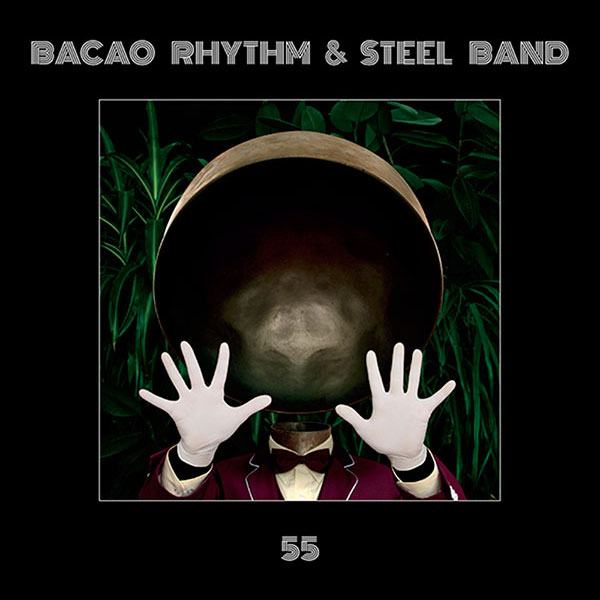
Bacao Rhythm & Steel released its first full-length album, “55” in 2016, to critical and commercial acclaim. The album was released on Big Crown records, a Brooklyn-based funk label that recognized the band’s appeal quickly from its sold out pressings and signed them to a deal, helping them record 55.
The album cover for the group’s first full-length album, 55.
“I was only doing vinyl 45s and had just started recording more material when Big Crown signed us. They have a great taste in music and helped us get heard by so much more people.”
The album featured a mix of funk staples, underground hip-hop classics and catchy originals that all capture the essence of the band’s unique caribbean-funk sound.
The signature sound was inspired by classic funk recordings of the 1970s, with Wagner modeling his recording techniques off of them by using 8-track tape to record the rhythm section until all tape tracks were full, while the steelpans were often recorded into Protools after the 8-track tape had been transferred.
Wagner used a mix of tenor and double second steelpans on the recordings, overdubbing when he felt it was appropriate to double up parts.
To help create a mystique for the group, Danny from Big Crown records suggested the idea of a person on the cover wearing a tuxedo with a steelpan for a head. The look worked, helping to shroud the group in mystery, giving it a unique appeal.
“A bit of mystery certainly leaves more room for imagination, which is a good thing with music,” Wagner said. “I am very happy we did something more abstract and graphical rather than having a group shot with the musicians behind their instruments.”
On the Record
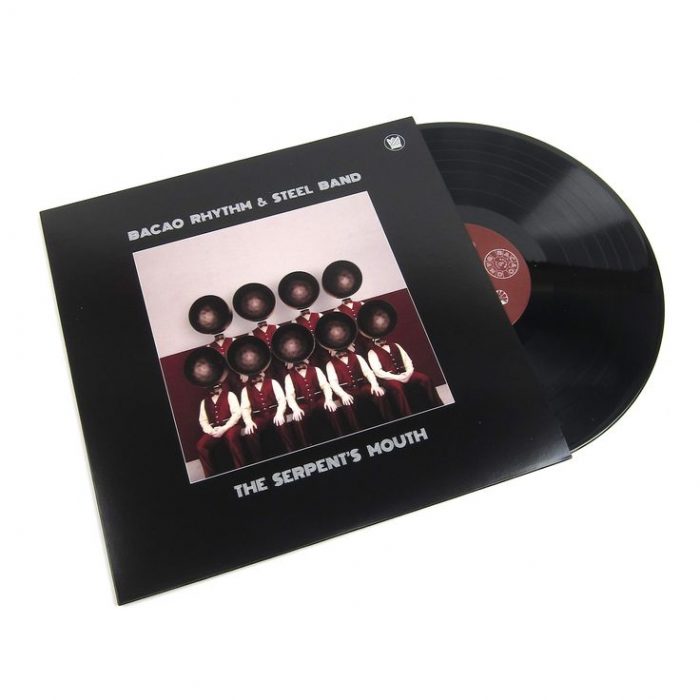
The group released its second full-length album, The Serpent’s Mouth, in 2018. The record featured a mix of funk and reggae covers, including the 80s Jan Hammer classic, “Crockett’s Theme”, along with several original songs. This time the album cover featured three panhead characters in tuxedos, continuing with the band’s mystique.
This time around, the album would garner the attention ofNPR’s All Things Considered, the station’s flagship news program and continue its success by achieving over 2 million streams for Crockett’s Theme (from the hit show Miami Vice) and over 1.3 million for “Xplosive” (Dr. Dre via Isaac Hayes).
The group’s second full-length album featured some of its biggest hits to date.
Wagner employed some help with arranging and recording on this album, compared to the previous which he recorded and produced solo.
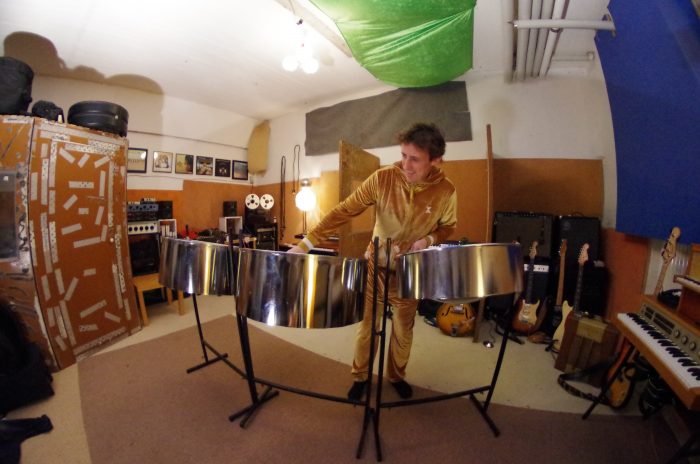
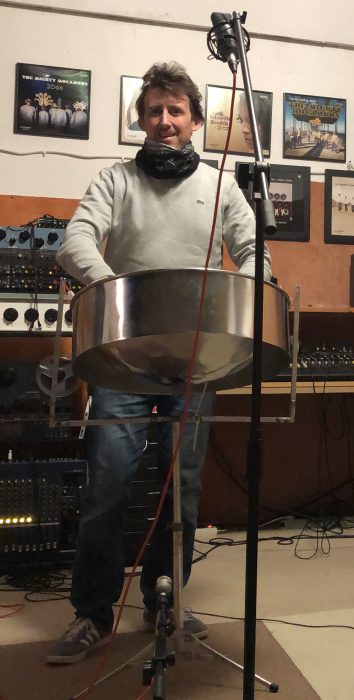
Bjorn Wagner poses behind his tenor pan in his recording studio in Hamburg, Germany.
“For the last album I wrote many of the tunes together with Bernhard Hummer, who plays baritone saxophone and can handle a double second, which is a good combination if you want to do a call and response between horns and pans,” Wagner said.
The recording techniques he developed came from his love and respect for steelpan, funk, hip-hop, soul and reggae.
“I record in an old school way. The rhythm section goes straight to an analog tape machine with a maximum of three mics on the drum kit. Levels are usually hot to get the right amount of crunch and compression on the spot. For the pans I have tried different mic settings over the years. One dynamic mic rather close over or under each pan is good for live or if your room does not sound that great,” Wagner explained. “My current favorite [technique] is to mic them with an Electro Voice RE15 from underneath and a Neumann U89 from above, both three feet away from the front and the same distance to the pan surface.”
The Serpent’s Eyes
Check out the group’s tracks for yourself on Spotify.
“There is no ultimate goal so far. We have already done a bunch of [sync licensing deals] from ads for Apple to Netflix series’. I am a big fan of score and film music and I enjoy seeing my music in combination with pictures,” he said. “We want to continue to explore the possibilities of the steelpan. It feels like we just started. The most important thing for me is to continue experimenting and not being stuck with a formula. I’d still love to hear steel drums combined with techno for example.”
With two hit records under his belt, Wagner has no plans to slow down, with a third record already in the works. As for future goals with the group, Wagner has no solid plans, but he knows what he doesn’t want.
Choosing to record pop and funk music instead of traditional steelpan music from Trinidad was a conscious choice, according to Wagner. “When it comes to traditional steel pan music, that’s often covers of classical pieces or calypsos. The bands and orchestras in Trinidad are so good, they’re not something I could or would want to compete with. That has been done already,” he said. “I am also looking for another angle and try not to replicate something. I like the repetitiveness of funk, hip-hop and disco. I prefer to play songs in minor keys and I am happy that the steelpan has found its place in there.”
“I have a deep respect for the art and mastery of the steelpan. My philosophy is that I do not want to compete with bona fide skilled players, that’s a league of its own. I approach the instrument in a non-formal, DIY way that you would not learn in school. Most of the steelpan recordings I know are either full orchestras or you would find a lone soloist in a jazz or pop song to add some exotic flavor. I love to use pans in the way you’d use a brass section, or even have them play against or with a brass section. I also like to use them like a guitar or a vibraphone, in a supporting role for another lead instrument,” Wagner continued. “A recent favorite is to arrange piano parts for steel drums, like we did for our version of Mary J. Blige’s “I Love You”, which is based on Isaac Hayes’ “Ike’s Mood”. It took five or six double seconds to play it with the same voicings as on the piano.”
The group’s steelpans were made by Louis C. Smith from Trinidad & Tobago.
To the uninitiated, steelpan is still considered a novelty instrument, maintaining its deep ties to Caribbean culture while ignoring its rich and versatile history of bridging musical genres. Wagner has a different viewpoint.
“I’ve never looked at it like this. It would make me very happy though if I could help show that the steelpan is more than just a novelty or an island cliché used in rum advertisements,” Wagner mused. “I hope that Trinidad & Tobago gets the proper credit for the innovation and developing the steelband culture, and at the same time I would love the pan to be perceived as an instrument that is not restricted to evoke ‘island vibes’ and becoming as universally accepted to one’s ears as the vibraphone.”
For those seeking to make their own mark with the steelpan, Wagner said, “Don’t focus on technique and skills; I don’t have much of that. What counts are the ideas you have and the stories you want to tell.”
Bacao Rhythm & Steel Band - 55 - Full Album Stream
When in doubt, start the world’s first online steelpan competition.
While many of us sat at home wondering when our next gig would be, Nevin Roach came up with an idea that would both satisfy a pannist’s need for performing to an audience while still maintaining social distancing brought about by the coronavirus pandemic.
Nevin Roach, founder of Panograma.
PanoGrama, dubbed by Roach as “the Worldcup of Steelpan,” made history as the first ever online steelpan competition. When asked about the initiative, Roach stated that, “During the heights of COVID-19 lockdows and restrictions in 2020, live entertainment on Instagram sparked an idea to do something for pan. We were all stuck at home craving entertainment and I thought I could provide just that. I wanted to bring the entertaining vybe of Panorama to Instagram and as a result, PanoGrama was born. Panorama + Instagram = PanoGrama. Quick maths!”
Earl Brooks, Jr., winner of the first Panograma competition in 2020.
However, that was only part of the idea. His primary intention was to use the platform to help pannists who were facing financial challenges due to the pandemic. He noted that the goal of assisting was achieved through the offer of cash prizes and appearance fees sponsored by Pan Trinbago (the world governing body for pan).
This competition showcases the talents of musicians from all corners of the globe and saw the likes of Isadore ‘Dow’ York (St Martin), lone female competitor Tyeesha Alexander (Trinidad and Tobago), Hashim Durant (Barbados), Ryan Joseph (USA) and Earl Brooks Jr. (Trinidad and Tobago); the defending champion, among many others. This family oriented competition not only brought live entertainment into your home but also fostered the holistic personal, musical and professional development of the competing musicians. Each week brought new challenges and one by one competitors were eliminated.
Andre Forde represents Barbados in the 2021 competition.
Upon completion of the competition, a generous donation was made to the Social Prosperity Fund of Pan Trinbago, to aid those facing financial hardships within the steelpan community. Roach mentioned that PanoGrama is the flagship event of a wider business, PanoGrama Entertainment.
Mathieu Borgne represents France in the 2021 competition.
“The inaugural event was a huge success, reaching 32,000 Instagram accounts, hosting over 1,000 finals attendees and garnering media attention throughout the region. Special thanks to all the sponsors and everyone who supported,” Roach said. Roach envisions PanoGrama becoming a major contributor to the global steelpan industry moving forward.
PanoGrama 2021 is on and ready to go and any musician interested in participating must audition. This year’s first price include $1,000 USD, an all-expenses paid trip to perform and more. An educational arm will be introduced this year, where winners will have access to personal and professional development and career guidance, including a one-on-one session with world-renowned pannist, composer and educator, Victor Provost.
Businesses can email contact@pano-grama.com for sponsorship opportunities.
PanoGrama | The World Cup of Steelpan 2021 [Auditions]
Discover the different types of steelpan instruments and the purpose of each.
A family of instruments is a category of related instruments based on the instrument itself, the way in which it is played, its pitch and range and its size. Just as a violin belongs to the string family or clarinet belongs to the woodwind family, the steelpan also comes from a family where there are various types of steelpans of varying sizes and pitches. These instruments can be used alone, with various ensembles (jazz, rock and reggae bands, to name a few) or as part of a steel orchestra, comprised exclusively of steelpan instruments.
In this article, we will explain each type of steelpan instrument, why they created and what they bring to the steelpan family.
Tenor Pan
Spider-web tenor pan drawing.
These instruments all play a different role and each carry a different pitch and range. The most common type of steelpan that people may think of when they first learn about the instrument is the tenor steelpan.
Tenor steelpan.
The tenor pan, sometimes referred to as the lead pan, soprano pan or single tenor, was invented by Winston “Spree” Simon. The pitch ranges most often from C4 to E6, depending on the type of tenor pan. The low C tenor carries a range from C4 to E6 (referring to ranges on the piano) while the high C tenor carries a range from D4 to F6. The main difference between these two pans is the range. The instrument often carries the melody and is played by one person standing behind the instrument. The tenor pan is the most visible representation of the circle of fifths.
Double Tenor
Double tenor layout.
The second type of steelpan is called the double tenor, sometimes called the double lead. It was invented by Bertie Marshall and has a mezzo-soprano range. This instrument is made up of two steelpans and the player stands between them, with both mounted on stands side by side. Its main function is to double or reinforce the melody, play the countermelody, harmonize the melody and sometimes, depending on the arranger, strum chords. It ranges in pitch from F3 to C6 distributed between both pans.
Double Second
Double second layout.
The double second pan carries an alto range from F3 to C6 spread across two pans and was invented by Ellie Mannette. The pan is hung on two stands with the player standing in the middle of both, the same as the double tenor. From afar, you can tell the difference between the double tenor and double seconds by looking at the length of each skirt. The double tenor has a short skirt like the tenor pan, while the double seconds have a longer skirt. The main role of the double seconds is to play the melody, countermelody and harmony; and like the double tenor, this pan may be given a strumming role depending on the arranger.
The combination of the tenor, double tenor and double seconds pan is usually referred to as the frontline section in a steelband or steelpan family.
Guitar Pan
The “middles”, or mid-range pans, form another section of the steelpan family. The main function of this section is to provide harmonic support and occasionally strumming and the countermelody. The pans that can be found in this section are the guitar pan, cello pan and the quadraphonic pan. The guitar pan was invented by Johanathan Francis and has a baritone range from C#3 TO F#5. It also has a small range compared to the cello and quadraphonic pans. They mainly function by providing harmonic support through strumming. To play this pan, the player stands in the middle of both, just as with the double seconds.
Photo of a double guitar pans (with notes marked off for easy reading).
Cello Pan
Triple Cello/Guitar pan layout.
The cello pan also has a baritone range (C3 to B4), was invented by Ellie Mannette and is also found in the middle section of the steel orchestra. There can be a three cello or four cello pan and both these pans have a significantly longer skirt than the tenor pan. These pans also provide harmonic support, countermelodies and may sometimes take up melody lines as well. A three cello player would stand behind one pan with another on either side of them to play; whereas a four cello player would stand with two pans at the front (just as the double seconds) and two pans on either side of them to play.
Quadrophonic Pan
Quadrophonic pan layout.
The quadraphonic pan is a group of four pans played by one person. It has a baritone range (B2 to B flat 5) and was invented by Rudolph “The Hammer” Charles. It is notorious for being the most difficult instrument to play in the steelpan family. It has the widest range, which gives it the most versatile. The quadraphonic pan can reinforce the melody, play counter melody or provide harmonic support. TThe quadraphonic steelpans are configured both horizontally, with two pans side by side in front of the play, and vertically, suspended on a vertical stand behind the first two pans, side by side, also facing the player. Those two pans are hung with enough room so that the player does not hit any of the pans when playing.
The guitar pan, cello pan and quadraphonic pan all make up the middle section.
Bass Pans
Tenor bass layout.
The last section in the family are the bass pans. These provide basslines as well as the harmonic foundation and may sometimes play melody lines when given a solo. The first type of bass that can be found in this section is the tenor bass, invented by Ellie Mannette. The standing position for this pan is similar to that of the four cello. It has a range from G2 to D4.
Six Bass layout.
The six bass pan is the most widely used bass pan and is played by having two pans situated at the front of the player, followed by two on either side and two more behind those to create a semi-circle with an opening in the rear for the player to enter and exit. This instrument was also invented by Ellie Mannette. Other types of bass pans, such as the nine bass and twelve bass pans were both invented by Rudolph Charles and are usually used in larger bands for major events like Panorama.
Six bass pans.
Now that you know what each pan in the steelpan family is and what it does, you can decide for yourself which one you want to play. You might even decide to travel to Trinidad & Tobago and play with one of the large steel orchestras for Panorama, if you’ve put in the time to be good enough.
Main image for 10 Modern Steelpan Albums You Need to Hear Right Now
The future of steelpan is well underway.
Have you ever made a list of your favorite albums of all time? Tough, isn’t it? Sometimes it’s easier to break it down by category and start there. You work your way through genres and subgenres until you’ve narrowed down a top 10 list for every style of music you can think of.
There are probably albums on your list that define a generation, help propel culture and even introduce an instrument to a global audience. Artists that set these standards include Bela Fleck (banjo), Jaco Pastorius (bass guitar), Miles Davis (trumpet), Jean Luc Ponty (violin) and Grover Washington, Jr. (sax).
In the world of steelpan, the trail of musical influence can be traced back to the beginning with pannists like Winston “Spree” Simon, Ellie Mannette and Anthony Williams. The next generation included renowned figures like Ray Holman, Beverly Griffith, Othello Molineaux, Jit Samaroo and Dr. Len “Boogsie” Sharpe.
Today, we have a new generation of innovative pannists (along with some veterans) who have crafted albums that defy genre and seek to push the artform forward yet again, just as their predecessors did. In no particular order, here are 10 modern steelpan albums you need to hear right now.
Modeled after 1970s funk recordings, German pannist and musician Bjorn Wagner crafts a compelling tropical retro vibe on this popular album.
Achieving well over one million streams on Spotify, this 45-minute long LP is great from start to finish, incorporating multiple genres and instruments, adding a fresh feel to the steelpan musical landscape with rustic pans and Caribbean percussion infused with a funk rhythm section. Tracks worth noting include the Miami Vice soundtrack cover of Crockett’s Theme, reggae groove Real Hot, and the Trinidadian-inspired original, Maracas Bay Boogie.
One of the freshest and most unique voices of the steelpan in recent years is Victor Provost, a bebop jazz pannist who adds his own soulful style to classic jazz sensibilities. His debut album, Her Favorite Shade of Yellow, took the pan and jazz worlds by storm with a nuanced approach to Caribbean jazz, but his follow-up album, Bright Eyes is where he really came into his own as an artist.
The opening track, Eastern Standard Time, sets the tone with a hectic and exciting feel. Another aspect worth highlighting is his use of guest artists that roam the halls of jazz greatness with players like Paquito D’Rivera (alto saxophone), Ron Blake (soprano sax), Etienne Charles (trumpet), Joe Locke (vibraphone) and John Lee (guitar), filling out the album with stellar contributions. Whether you like this style of jazz or not, Provost’s provocative mix of masterful musicianship, hypnotic speed and heart-felt melodies will have you hooked from the start.
Spearheaded by a bombastic, powerhouse steelpan performance that reminds you of the legendary Dr. Len “Boogsie” Sharpe, Thomas explores a full range of emotions and musical genres with an album that explores every facet of his personal and professional maturity. Kai-Fusion opens the album like a punch to the face, with a bombardment of sound that includes a fast-paced, but super-catchy melody, booty-shaking groove, and entrancing pan and sax solos. Thomas’ hands are so fast, you wonder how your ears are able to catch up, then he slows things down with head-bobbing grooves like Midnight Refrain, Gulf of Paria and In the Corner, all beautifully written and executed pieces in their own right, exploring different facets of Thomas’ feelings and personality.
The album is so rich in melody, soloing prowess and nuanced musicianship that you wish it would never end, but does so in style with Cry of Hope, bringing to mind the complex middle-eastern inspired jazz exploration in A Night in Tunisia, but with more angst and animosity.
4. Pan Rocks Project L.A. and Pan Rocks Rush! By Tracy Thornton
This entry gives you two-for-one as both EPs really should be heard in one sitting, given their similarities in execution and concept. Recorded at the world-famous Ocean Studios, Pan Rocks L.A., founded by pan rocker Tracy Thornton, was the first to break the barrier of incorporating famous rock musicians into a large steelband ensemble.
Using 30 international pan players to create an epic Panorama-esque rock band, the album features the group performing some of the genre’s most famous pieces, played by some of the original musicians. Been Caught Stealing by Jane’s Addiction, is one tune worth noting thanks to Jane’s Addiction drummer Stephen Perkins doing the honors on the kit. Perkins would go on to play on every song, along with fellow rock legends, bassist Billy Sheehan (Mr. Big, Steve Vai, David Lee Roth) and guitarist Tracii Guns (L.A. Guns, Guns N’ Roses). They were also joined on tracks like Detroit Rock City by Bruce Kulik (Kiss) and Kasimir and Carol of the Bells by “America’s Got Talent” cello duo sensation Emil & Dariel.
The follow-up album, Pan Rocks Rush!, would feature an equally epic lineup, led by renowned drummer Mike Portnoy (Dream Theater), included guitarist Pete Thorn (Chris Cornell, Don Henley, Melissa Ethridge) and bassist Philip Bynoe (Steve Vai, Kevin Eubanks, Slash). The group was joined by nearly 40 pannists (many of the same from Pan Rocks L.A.), jammed into performing three classics from the Rush songbook, Spirit of Radio, YYZ and Tom Sawyer. If you’ve never heard those songs, give the originals a listen and compare these newer versions. It’ll blow your mind.
Now firmly established as one of steelpan’s most popular artists, Andre White’s star was still on the rise when he released his debut album, Liberation Music, an exciting multi-genre exploration filled with heart and soul throughout.
The genres are meant to represent his Brooklyn, NY roots with a mix of soul, R&B, calypso, reggae and Latin music. The opening track poses the question, “Why can’t we be free?” Beautifully performed using a vocalist and full steel orchestra, the opening track sets the tone for the rest of the album with a beautiful melody, added horns for emphasis and complex chord structures to create a rich soundscape. Standout tracks include Liberation, the Latin jam-esque Algo Diferente, reggae groove Hideaway (featuring a low pan solo) and calypso rock dance track Pressure, to close out the album.
Known as much for his prowess in world percussion and education as he is as an artist, make no mistake, Fitzgibbon holds a special place among steelpan recording artists. With this follow-up to his debut album, The Travelers, Fitzgibbon explores his own melodic style. His music has elements of zaniness, sarcasm and whimsy, but also retains its dignity with a seriousness for the artform.
The opening track on Just Ahead is misleading as a mellow jazz groove with guitar, xylophone and even a triangle, but is followed up with an eclectic mix of songs that fill you with enchantment, joy and wonder. A true sleeper, this album has some unexpected turns with tracks like the Latin jazz-inspired Every Way But Forward, motown-esque Look Up and introspective masterpiece, Blanchisseuse.
Brooklyn pan virtuoso, Kareem Thompson has made a name for himself performing with artists like Ludacris, The Mighty Sparrow and Etienne Charles, to name a few. In his debut album, these diverse musical styles come to the forefront with an ensemble that includes guitar, upright bass, piano and drums, creating a textured soundscape of jazz, Afro-Caribbean, Calypso and soul, with some other world genres mixed in for flavor. The title track is particularly memorable with haunting vocals, a piercing melody and stellar musicianship.
Rounding out the urban island vibe are Spot’s Groove, Caribbean Connection (featuring beautiful vocals from Keet Styla) and The Sun Will Shine Today, a swung soul groove with rich chords and a tasty piano solo for good measure.
Having firmly established himself as a composer of note, world-renowned pannist and recording artist Jonathan Scales takes his group, Jonathan Scales Fourchestra, to new heights with this epic mediation on what it takes to make it when your music is as unconventional and complex as they come. From the start, the album sets a different tone with Fake Buddha’s Inner Child, harnesses the power of introspection and a sort of, lost in the woods confusion as if the melody is searching for something. We Came Through the Storm is just as it sounds, putting the listener in the middle of a storm that swirls and builds to a powerful, sinister crescendo, reminiscent of film score music (i.e. Hans Zimmer). The star-studded album features artists like Jeff Coffin, Oteil Burbridge and banjo master Bela Fleck, who lays it down with fierce accuracy on the masterful, Focus Poem. This album is a must hear in more ways than one.
Stylish, emotional and filled with detail, New Life takes you on a wild ride, from the hard-hitting Caribbean soul piece, Black Fist. Westcoastin’ is a swanky, swung groove that offers the feeling of driving with the top down on the palm-tree filled streets of Los Angeles, as if to say, “I’ve arrived in paradise”. Hood Suite is like a nostalgic peak back into Calypso history while keeping a foot firmly planted in the jazzy soul vibe he’s established earlier on the album. Then comes Rt. 50, a four-chord riff-based tone poem that lifts you from bottom to top, then dropping you off the building with a forceful thrust, as if to pull you back into reality from an all-too-real dream. Thwaites’ playing is soulful and nuanced, easily carrying you through each song with effortless abandon.
Few albums so clearly convey an artist’s vision than this extraordinary work. From the start, the album is effective at mixing African and Caribbean rhythms, melodies and instrumentation with a balance that makes you wonder how much the two genres influenced each other during their development.
Babam features an inviting vocal melody to kick things off. Sirocco takes over next with a thumpy, explorative groove, with the right amount of reverb and hip guitar breaks to hook you throughout. Rise Up does just what it promises and lifts your spirit, regardless of the need, making you feel like you’re being told an inspiring and hopeful story, despite it having no lyrics. The storytelling and melodic prowess of the track are on point. This one will likely stand the test of time as a powerful album, worthy of an award if one existed for what it accomplished.